
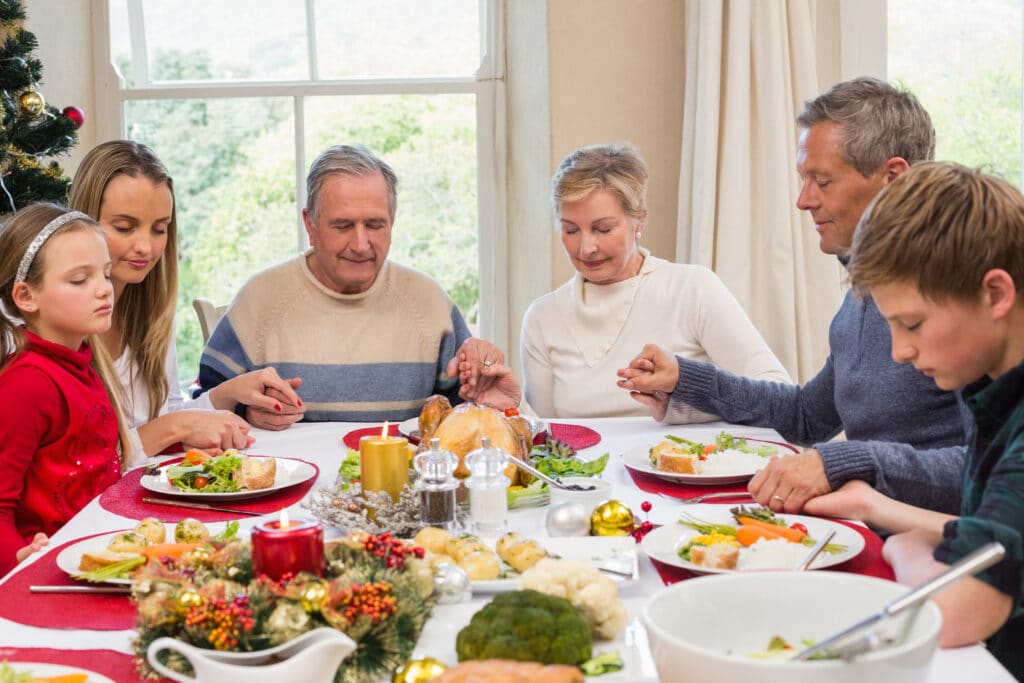
During the holiday season, when festive feasting is common, food safety becomes especially crucial, both during the preparation of holiday foods and when handling leftovers. The risk of foodborne illnesses can increase due to larger gatherings and intricate meal preparations.
It’s essential to follow strict food safety guidelines to prevent contamination and ensure the safety of holiday dishes. For instance, when dealing with leftovers, it’s important to promptly refrigerate or freeze them to prevent bacterial growth. On the other hand, proper reheating is essential to kill any pathogens that may have developed.
Overall, maintaining the best food safety practices is vital to ensure that holiday celebrations remain enjoyable and free from food-related health concerns. Below are a couple of key items to help you continue to enjoy yummy holiday food and avoid food poisoning!
What are the Symptoms of Food Poisoning?
According to the CDC, food poisoning symptoms can be anywhere from mild to very serious. Your symptoms may also vary depending on the germ you consumed.
The most common symptoms of food poisoning are:
- Stomach upsets
- Stomach cramps
- Nausea
- Vomiting
- Diarrhea
- Fever
It is important to note that after someone consumes unsafe (contaminated) food or drink, it may take hours or days to develop the symptoms above. However, if you experience symptoms such as vomiting and diarrhea, you should drink plenty of fluids to prevent dehydration.
Since food poisoning signs and symptoms can vary from mild to very serious, it is important to know when to see a doctor. Some of the most severe food poisoning symptoms include:
- Bloody diarrhea.
- High fever (temperature over 102°F, measured in your mouth).
- Frequent vomiting that prevents keeping liquids down (which can lead to dehydration).
- Signs of dehydration include little to no urination, a very dry mouth and throat, or feeling dizzy when standing up.
- Diarrhea that lasts more than 3 days.
Top 4 Holiday Food Safety Guidelines to Prevent Food Poisoning
The CDC recommends these four 4 key safety steps to help prevent food poisoning:
1. Clean: Wash Your Hands and Surfaces Often
- Wash your hands for at least 20 seconds with soap and warm or cold water before, during, and after preparing food and before eating.
- Always wash your hands after handling uncooked meat, chicken, other poultry, seafood, flour, or eggs.
- Wash your utensils, cutting boards, and countertops with hot, soapy water after preparing each food item.
- Rinse fresh fruits and vegetables under running water.
2. Separate: Avoid Cross-contamination
- When grocery shopping, keep raw meat, poultry, seafood, and their juices away from other foods.
- Keep raw or marinated meat, poultry, seafood, and eggs separate from all other foods in the refrigerator. Store raw meat, poultry, and seafood in sealed containers or packages so the juices don’t leak onto other foods.
- Use one cutting board or plate for raw meat, poultry, and seafood, and a separate cutting board or plate for produce, bread, and other foods that won’t be cooked.
3. Cook at the Right Temperature.
- Food is safely cooked when the internal temperature gets high enough to kill germs that can make you sick. The only way to tell if food is safely cooked is to use a food thermometer. You can’t tell if food is safely cooked by checking its color and texture (except for seafood).
- For whole cuts of beef, veal, lamb, and pork, including fresh ham: Cook at 145°F (then allow the meat to rest for 3 minutes before carving or eating).
- Fish with fins: 145°F or cook until the flesh is opaque and separates easily with a fork.
- Ground meats, such as beef and pork: 160°F.
- All poultry, including ground chicken and turkey: 165°F.
- Leftovers and casseroles: 165°F.
Safe Minimum Internal Food Temperatures
| Food Type | Internal Temperature |
| Beef, Pork, Veal, Lamb, and Fresh Ham | 145°F with a 3-minute rest time. |
| Fin Fish | 145°F |
| Ground Meats (Beef and Pork) | 160°F |
| Poultry (Ground, parts, whole, and stuffing) | 165°F |
| Leftovers and casseroles | 165°F |
4. Chill: Refrigerate Promptly
- Bacteria can multiply rapidly if left at room temperature or in the “Danger Zone” between 40°F and 140°F.
- Keep your refrigerator at 40°F or below and your freezer at 0°F or below, and know when to throw food out before it spoils. If your refrigerator doesn’t have a built-in thermometer, keep an appliance thermometer inside it to check the temperature.
- Package warm or hot food into several clean, shallow containers and then refrigerate. It is okay to put small portions of hot food in the refrigerator since they will chill faster.
- Refrigerate perishable foods (meat, seafood, dairy, cut fruit, some vegetables, and cooked leftovers) within 2 hours. If the food is exposed to temperatures above 90°F, like in a hot car or picnic, refrigerate it within 1 hour.
- Thaw frozen food safely in the refrigerator, in cold water, or in the microwave. Never thaw food on the counter because bacteria multiply quickly in the parts of the food that reach room temperature.
Looking for additional safety tips for the holidays? Check out our in-depth guide to learn more.
Conclusion
Safe steps in food handling, cooking, and storage are essential in preventing foodborne poisoning and illnesses. You can’t see, smell, or taste harmful bacteria that may cause illness. In every step of food preparation, follow these four guidelines to ensure food safety for everyone in the upcoming holidays and festive season.