
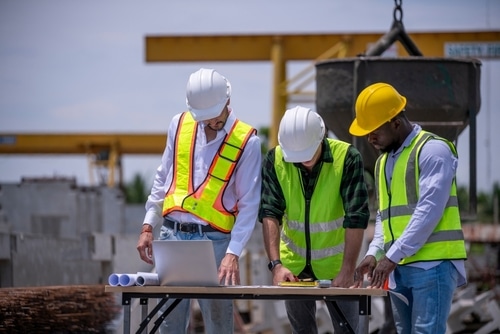
Strong workplace safety cultures are not built through written policies alone; they are built through leadership, communication, accountability, and employee involvement. Organizations that successfully reduce injuries create environments where employees feel comfortable reporting hazards, asking questions, stopping unsafe work, and participating in safety improvements.
Across construction sites, warehouses, production facilities, agricultural operations, and office environments, many incidents begin with hazards that were previously noticed but never corrected. Employees may become comfortable with unsafe shortcuts, bypass procedures to save time, or assume someone else will address the issue.
In construction, this may involve employees bypassing fall protection or working too close to unprotected edges. In general industry and warehouse operations, employees may ignore damaged equipment, unsafe forklift practices, or machine guarding concerns. In office settings, hazards may include overloaded outlets, blocked exits, poor ergonomics, or housekeeping issues that increase slip and trip hazards.
According to OSHA’s General Duty Clause, employers are responsible for providing workplaces free from recognized hazards likely to cause serious injury or death.
Source: OSHA — General Duty Clause
What are we seeing?
OSHA investigations continue to identify incidents where employees suffered serious injuries after known hazards were left uncorrected. Common examples include:
- Construction employees falling from elevated surfaces without proper fall protection
- Warehouse employees struck by forklifts operating in congested traffic areas
- Manufacturing employees are exposed to unguarded machinery
- Office employees are injured due to poor ergonomics or slip hazards caused by poor housekeeping
Source: OSHA Injury and Fatality Reports
| Common Injuries | |
|---|---|
| Construction |
|
| General Industry & Warehousing |
|
| Office Environments |
|
Best Practices
- Report hazards immediately
- Stop work when unsafe conditions exist
- Participate in safety meetings and inspections
- Follow procedures consistently
- Avoid shortcuts and rushing
- Use required PPE properly
- Encourage open communication regarding safety concerns
- Correct unsafe conditions immediately when possible
What can we discuss to be proactive?
- What hazards have become “routine” in our workplace?
- Are employees comfortable reporting concerns?
- What unsafe shortcuts are commonly observed?
- What improvements can be made today?
Remember
Safety improvement starts with awareness and accountability. Every employee can identify hazards, speak up, and help prevent incidents before they occur.
Read the Full Series
- National Safety Month 2026: Bizhaven’s Workplace Safety Series
- Staying Safe on the Roads: Distracted Driving Prevention
- Promoting Holistic Worker Health: Fatigue in the Workplace
- Preventing Slips, Trips, and Falls in the Workplace