
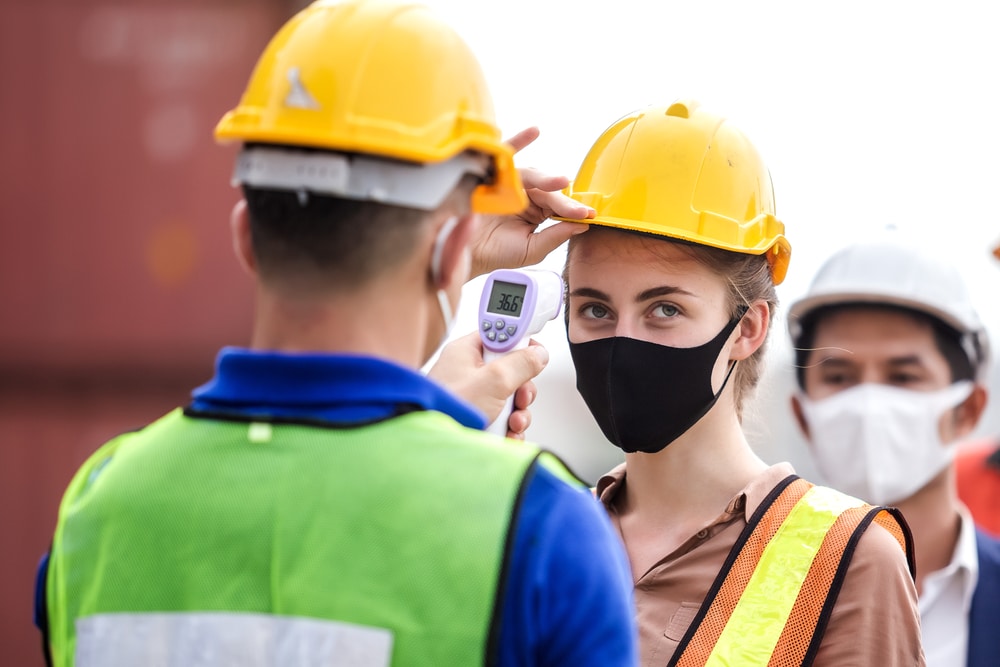
As temperatures begin to rise across California, heat illness prevention becomes a critical part of maintaining a safe workplace. While heat is often associated with outdoor work, indoor environments such as warehouses, shops, and fabrication areas can present just as much risk due to limited airflow and heat-generating equipment. Without proper controls, heat illness can escalate quickly — but with planning and awareness, it is entirely preventable.
California is one of the few states with specific heat illness prevention standards for both outdoor and indoor workplaces. In this article, we break down what those standards require and what every California employer needs to do to stay compliant and protect their workers. For a full overview of your training obligations, read our post on heat illness prevention training requirements.
What Is Cal/OSHA’s Outdoor Heat Illness Prevention Standard?
For outdoor work, California’s Heat Illness Prevention standard (8 CCR §3395) requires employers to provide water, shade, rest, and training. As temperatures increase, so do the required protections.
a) At 80°F and Above
- Shade must be available, and employees must be encouraged to take cool-down breaks.
- Access to clean, cool drinking water is required.
b) High-Heat Procedures at 95°F and Above
Once temperatures reach 95°F, high-heat procedures must be implemented. These procedures require a more structured and proactive approach to monitoring employees and preventing serious heat illness:
- Effective communication must be maintained at all times so employees can quickly reach a supervisor or emergency services.
- Employees must be actively observed for signs of heat illness, whether through direct supervision, a buddy system, or regular check-ins.
- Pre-shift meetings are required during high heat to reinforce hydration, symptom recognition, and emergency response procedures.
- Employers must designate individuals responsible for contacting emergency medical services to ensure there is no delay in response.
- A mandatory minimum 10-minute preventative cool-down rest period every two hours is required for all outdoor workers at or above 95°F, unless an equivalent rest period is already being provided.
c) Agricultural Operations: Additional Requirements
Agricultural employers face additional requirements once high-heat conditions are met, due to the physical demands and often remote nature of the work. In agriculture, supervision and observation expectations are more stringent — workers may be spread out across large areas or working in conditions where symptoms may go unnoticed. Reliable communication systems are critical, and emergency response procedures must account for remote work locations.
What Is Cal/OSHA’s Indoor Heat Illness Prevention Standard?
Indoor workplaces are covered under California’s Indoor Heat Illness Prevention regulation (8 CCR §3396), which went into effect on July 23, 2024. This standard applies when indoor temperatures reach 82°F and covers a wide range of environments including warehouses, distribution centers, restaurants, and manufacturing plants.
a) At 82°F
- Employers must provide access to cool drinking water.
- Employees must be allowed cool-down breaks.
- Employers must begin monitoring employees for symptoms of heat illness.
b) At 87°F and Above — or Under High-Risk Conditions
As temperatures rise to 87°F or higher — or lower under certain conditions such as high humidity, radiant heat, or the use of heat-retaining personal protective equipment — additional control measures are required. These may include:
- Increased ventilation, fans, or air conditioning.
- Adjustments to work practices such as rotating tasks or reducing work intensity.
- Engineering and administrative controls appropriate to the specific work environment.
Note: Employers must also measure and record the temperature and heat index once trigger temperatures are reached, and maintain those records for at least 12 months.
How to Recognize Heat Illness Symptoms
Recognizing the signs of heat illness is essential for early intervention. Train your team to identify these warning signs:
Early Warning Signs
- Headaches, dizziness, or lightheadedness
- Nausea or fatigue
- Muscle cramps
- Heavy sweating or cool, pale skin
Severe Symptoms — Call 911 Immediately
- Confusion or disorientation
- Fainting or loss of consciousness
- Seizures
More severe symptoms, including confusion, fainting, or seizures, may indicate heat stroke and require immediate emergency response. Do not wait — call 911.
What to Do If Heat Illness Is Suspected
If heat illness is suspected, immediate action is required:
- Move the employee to a cool or shaded area right away.
- Begin cooling them down using water, airflow, or ice packs.
- Contact emergency services immediately if symptoms are severe.
- Never leave the employee alone.
Practical Heat Illness Prevention Tips
Preventing heat illness starts with daily planning and awareness. The following steps can significantly reduce risk:
- Adjust work schedules to avoid peak heat hours (typically 10 a.m. to 4 p.m.).
- Increase rest breaks, particularly during physically demanding tasks.
- Account for the added heat burden from physically demanding tasks or personal protective equipment.
- Create a work environment where employees feel comfortable reporting symptoms early.
- Conduct regular heat illness prevention training — Cal/OSHA requires it for all covered outdoor and indoor workers.
| Heat Illness Prevention: Quick Supervisor Checklist
Before the Shift:
During the Shift:
Indoor Workplaces:
|
Ensure Heat Illness Prevention with Bizhaven
Heat illness is preventable, but only when the right procedures are consistently followed — especially during high heat. As warmer weather approaches, now is the time to review your program, reinforce training, and ensure both indoor and outdoor operations are prepared to protect workers and remain compliant with California regulations.
For a broader look at your workplace safety obligations under California law, visit our workplace safety resource hub.
Both standards are published and maintained by Cal/OSHA. For the full regulatory text and educational materials, visit the Cal/OSHA Heat Illness Prevention Guidance and Resources.
If you have any questions or need further guidance on implementing these requirements, reach out to your Safety Business Partner for support.